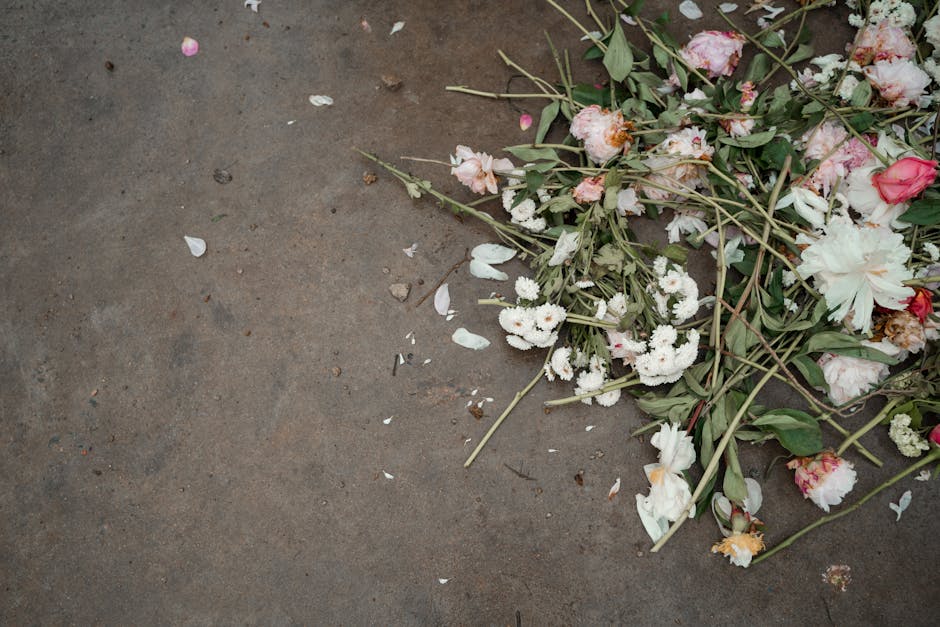
Disposal rules for floral waste in Kensington and Chelsea
Posted on 03/10/2026
If you handle flowers regularly in Kensington and Chelsea, the question is rarely whether waste will build up. It's how to deal with it properly, without creating mess, smell, or avoidable compliance headaches. The disposal rules for floral waste in Kensington and Chelsea are not complicated once you understand the basics, but the details matter. A mixed bucket of stems, leaves, ribbon, plastic wrap, and water can quickly turn into the sort of waste stream that needs a bit of thought.
This guide walks through what floral waste is, how it should be handled in a local London setting, what good practice looks like, and the mistakes people make when they rush it. Whether you run a florist, manage events, support a venue, or simply have a lot of blooms after a wedding or funeral, you'll find clear, practical guidance here. And yes, there is a right way to do this without turning your back room into a swamp. Nobody needs that.
Table of Contents
- Why disposal rules for floral waste in Kensington and Chelsea matters
- How disposal rules for floral waste in Kensington and Chelsea works
- Key benefits and practical advantages
- Who this is for and when it makes sense
- Step-by-step guidance
- Expert tips for better results
- Common mistakes to avoid
- Tools, resources and recommendations
- Law, compliance, standards, or best practice
- Options, methods, or comparison table
- Case study or real-world example
- Practical checklist
- Conclusion
- Frequently asked questions
Why disposal rules for floral waste in Kensington and Chelsea matters
Floral waste looks harmless at first glance. A few roses, a couple of wilted lilies, some green trimmings, maybe a ribbon or two. But in a busy flower shop, events business, hotel, restaurant, or home, that "small" amount soon becomes a recurring waste issue. In Kensington and Chelsea, where space is tight and properties often sit close together, poor waste handling shows up fast: odours, leaks, pests, and irritated neighbours. Not ideal, to put it mildly.
There's also the practical side. Floral waste is not always just "green waste." Once you mix in cellophane, foam, tape, flower bags, water, and food-contaminated items from catering displays, it becomes a more complicated stream. Separating material at source makes disposal simpler and usually cleaner too. If you've ever opened a bin on a warm afternoon and been hit by that damp, sweet, slightly sour flower smell, you'll know why this matters.
Good disposal practice also supports better sustainability. Many customers in Kensington and Chelsea expect businesses to act responsibly, and for good reason. Florists and event teams often present the face of a greener approach when they sort recyclable packaging, compost organic matter where possible, and avoid unnecessary contamination. That simple discipline can make a real difference.
Expert summary: Floral waste disposal works best when you separate organic stems from packaging, keep wet waste under control, and choose the correct collection method before the bin fills up. The cleaner the sorting, the easier everything else becomes.
How disposal rules for floral waste in Kensington and Chelsea works
At a practical level, floral waste disposal is about identifying what can be treated as organic garden-style material and what must be handled as general waste or recycling. That sounds straightforward, but real-life bouquets rarely arrive in neat categories. A wedding arrangement may contain roses, ribbon, floristry wire, hydration wrap, and plastic sleeves. A funeral tribute might include floral foam, taped bindings, and card inserts. The job is to break that mix apart as much as possible before disposal.
Most floral waste falls into one of a few broad groups:
- Organic floral material: stems, leaves, petals, spent blooms, and some untreated greenery.
- Mixed waste: ribbon, paper, ties, tape, broken containers, and damaged packaging.
- Contaminated or non-organic items: floral foam, plastic sleeves, cellophane, soaked cardboard, and wire.
In many cases, the cleanest route is to separate the organic material early, ideally at the point where arrangements are broken down. If waste is allowed to sit in water, it becomes heavier, smellier, and more troublesome to move. In small premises especially, a daily routine saves time later. Not glamorous. Very effective.
For businesses in Kensington and Chelsea, disposal also tends to be shaped by space and access. A basement workshop, a shared mews bin store, or a front-of-house collection point all create different constraints. That means the "best" method is the one that fits your site, your waste volume, and the collection setup you actually have, not some perfect theoretical system. Real world beats perfect, every time.
Key benefits and practical advantages
Following sensible floral waste disposal rules has benefits beyond simply keeping the bin lid shut. The first is cleanliness. A tidy waste system reduces spills, wet residues, and unpleasant smells. That matters if customers can see your back-of-house area or if waste is stored anywhere near an entrance.
The second benefit is efficiency. When teams know exactly where stems, packaging, and non-organic items go, they work faster. There is less double-handling, less confusion, and fewer last-minute "where does this go?" conversations. Those conversations sound harmless, but they add up on a busy day.
The third benefit is risk reduction. Poorly stored floral waste can attract pests, create slip hazards, and cause nuisance issues for neighbours or building managers. In mixed-use buildings around Kensington and Chelsea, that can become awkward very quickly.
There's also a branding upside. Customers notice small operational details, even if they never mention them. A florist that keeps things neat, separates waste responsibly, and avoids overfilled bins sends a quiet message: this business is organised. That sort of trust is hard to buy and easy to lose.
Finally, proper sorting can support recycling and reuse opportunities. Some green waste may be suitable for composting routes, while clean packaging can sometimes be diverted into recycling. The better your segregation, the more options you preserve. Simple idea. Big payoff.
Who this is for and when it makes sense
These disposal rules matter to anyone who handles flowers in volume or on a regular basis. That includes retail florists, wedding planners, event venues, hotels, offices with frequent deliveries, care homes, and hospitality teams. It also matters to households after large celebrations or memorial arrangements, especially where the waste needs to be managed sensitively and discreetly.
If you run a florist in the area, it makes sense to build waste handling into your workflow from day one. If you manage events, you need a plan for breakdown after the event ends, not halfway through when staff are already tired and the room is half-cleared. That's usually when shortcuts sneak in.
It is also relevant for anyone using services such as flower delivery in Kensington W8 or ordering from a local florist in Kensington W8, because the more flowers you receive, the more disposal planning you need once they fade. Larger households, offices with regular arrangements, and businesses that use floral styling as part of their customer experience all benefit from a clear routine.
And then there are the one-off occasions. Wedding arches, sympathy tributes, seasonal installations, and large Christmas displays all create bulky green waste in one go. If you have ever cleared a room after an event and found stems everywhere, you know how quickly the pile appears. One minute it's decor. The next minute it's a bin strategy.
Step-by-step guidance
Here is the practical way to handle floral waste without making it harder than it needs to be.
- Sort waste at the point of breakdown. Keep organic stems apart from packaging, wire, foam, and ties. The longer everything stays mixed, the worse it gets.
- Remove water and wet containers early. Empty vases, buckets, and hydration packs before they go into storage or the bin area. This reduces odour and prevents leaks.
- Separate reusable materials. Any containers, stands, ribbons, trays, or display items that can be cleaned and reused should be set aside before disposal.
- Contain organic waste properly. Use suitable bags or bins so wet stems and petals do not spread across the floor. In a tight premises, this is especially important.
- Choose the right collection route. Depending on your volume, you may need a general waste route, a green waste route, or a specialist commercial collection. The right choice depends on how much waste you produce and what your site can support.
- Keep bin stores clean. Wipe surfaces, rinse containers as needed, and prevent residue from building up. A clean store is less likely to smell or attract pests.
- Review the system after busy periods. Weddings, Valentine's Day, Mother's Day, and funeral seasons can all change waste patterns. Adjust the routine when volumes spike.
A useful habit is to build a "breakdown station" with liners, gloves, scissors, and a clearly labelled place for mixed waste. It sounds a bit over the top until you're trying to clear 40 stems, three boxes, and a tangle of ribbon in one go. Then it feels very sensible indeed.
Expert tips for better results
In our experience, the easiest waste systems are the ones that feel slightly boring. Not flashy, just consistent. That is usually the sign they'll actually be followed.
Keep floral waste dry where possible. Water adds weight, smell, and mess. Drain arrangements before bagging them, and avoid storing soaked cardboard anywhere near the rest of your waste.
Train everyone who touches the flowers. A system works only if temporary staff, event crews, and shop assistants know it. One person tossing foam into the wrong bin can undo a tidy setup in seconds.
Label bins by material, not by assumption. "Green waste" sounds clear until someone asks whether ribbon counts. Spell it out: stems and leaves here, packaging there, foam nowhere near either.
Use smaller, frequent collections if needed. A single oversized bin can be a false economy if it creates smell or storage problems. Sometimes more frequent removal is the cleaner, calmer answer.
Plan for the end of the day, not the middle of the day. Flowers break down faster than you think, especially in warm rooms. By late afternoon, they can be much softer and harder to handle.
Be realistic about mixed waste. Not every stem bundle can be perfectly separated. The goal is sensible segregation, not perfection. A little flexibility keeps the process practical.
A small tip from the field: keep a spare sack or two by the workbench. It saves those awkward moments when the current liner tears and everyone suddenly develops very strong feelings about waste management.
Common mistakes to avoid
The most common mistake is mixing everything together. Once stems, foam, plastic, tape, and damp cardboard are all in the same bag, you've made the disposal problem larger than it needed to be. Separation really does matter.
Another frequent issue is leaving waste overnight in warm conditions. That is how odours build up and how bins become unpleasant for anyone who opens them the next morning. In a busy London street, that can become a neighbour issue before you know it.
People also underestimate how much water stays trapped in arrangements. If you toss an unemptied bucket or vase straight into a storage area, you are asking for leaks and slippery floors. Slightly dramatic? Maybe. Still true.
Other mistakes include:
- Overfilling bags so they split on the way out.
- Forgetting to remove non-organic items such as wires, plastics, and card inserts.
- Using the same disposal routine for a small bouquet and a large event installation.
- Ignoring the condition of shared bin stores or alley access points.
- Assuming "green" means "all plant-related material goes together" without checking what is actually allowed in your collection route.
If you avoid those traps, half the job is already done. The rest is just discipline. Nothing mystical about it.
Tools, resources and recommendations
You do not need a complicated setup to manage floral waste well. A few practical tools go a long way.
Useful tools:
- Clearly labelled bins or sacks for organic and mixed waste.
- Reusable crates for separating clean containers from rubbish.
- Gloves for handling stems, thorny material, and wet waste.
- Secateurs or utility scissors for breaking down arrangements safely.
- Absorbent floor material or cleaning cloths for small spills.
- Hand sanitiser and basic cleaning supplies for the disposal area.
Useful operational habits:
- Set a fixed time each day for waste breakdown.
- Keep packaging waste out of the floral prep zone where possible.
- Store bins away from direct customer view if the layout allows it.
- Check collection timings so bags do not sit around longer than necessary.
If your business also focuses on presentation and customer-facing quality, it can help to align waste handling with wider standards such as product freshness, aftercare, and sustainability. Pages like flower care advice and sustainability can support that mindset by keeping the whole service more consistent from sale to disposal.
For busy teams, the simplest recommendation is usually the best one: make the disposal area easy to understand at a glance. If staff have to guess, they will hesitate. If they hesitate, they will improvise. And that's when things drift.
Law, compliance, standards, or best practice
Floral waste disposal in Kensington and Chelsea sits within normal UK waste-management expectations, so the safest approach is to treat it as a commercial waste issue whenever it comes from a business, venue, or organised event. That means using lawful, appropriate disposal routes, keeping waste separate where practical, and avoiding contamination that makes recycling harder or impossible.
Exact requirements can vary depending on the type of premises, the collection service used, and how mixed the waste stream is. A florist with regular organic waste will usually need a more robust process than a household clearing a few bouquets after a celebration. If in doubt, it's better to check the expectations of your waste contractor and keep records of what goes into each stream.
Best practice in this context usually means:
- Separating organic and non-organic materials before disposal.
- Keeping waste in secure containers to prevent spillage.
- Preventing odour, litter, and nuisance where possible.
- Using a collection method that suits the volume you produce.
- Not placing prohibited materials into the wrong waste stream.
It is also sensible to think about duty of care in a practical sense: once waste leaves your premises, you still want confidence it is being handled properly. That does not mean becoming a lawyer overnight. It does mean being organised, asking clear questions, and not cutting corners just because the waste looks "natural." Nature, as charming as it is, can still make a mess.
For businesses that trade in flowers, compliance and reputation are closely linked. A tidy disposal process supports cleaner operations, better hygiene, and fewer awkward surprises during inspections, building management checks, or routine housekeeping. That is the real win.
Options, methods, or comparison table
Different floral waste disposal methods suit different settings. The best choice depends on how much waste you produce, what is in it, and how much space you have for storage.
| Method | Best for | Advantages | Limitations |
|---|---|---|---|
| General waste disposal | Small mixed amounts with packaging and non-organic material | Simple, widely available, easy to manage | Less sustainable if used for mostly organic waste |
| Organic or green waste route | Mostly stems, leaves, petals, and untreated greenery | Cleaner separation, often better for environmental performance | Not suitable if heavily contaminated with plastics or foam |
| Reuse and redistribution | Fresh blooms, event leftovers, decorative materials in good condition | Reduces waste, extends product life, can be cost-effective | Only works when material is still usable and hygienic |
| Specialist commercial collection | Higher volumes from florists, venues, and events | More structured handling, easier for busy sites | Requires planning and may not suit very small volumes |
In practical terms, a florist shop may use a mix of methods: reuse some materials, separate clean green waste, and send the rest to general waste. A wedding venue might need a more event-specific approach. A household usually needs the simplest possible version. There is no one-size-fits-all answer, and that's fine.
Case study or real-world example
Take a small Kensington florist preparing for a weekend wedding order. The team receives bouquets, table pieces, and a few spare stems. By late afternoon, they have a pile of trimmings, sleeves, tied ribbon, damp paper, and the odd broken stem. If everything goes into one sack, the waste becomes heavy, wet, and awkward to move. The bin area smells by the next morning, and someone has to sort the mess before the shop opens.
Instead, the team sets up a simple breakdown routine. Fresh stems and petals go into a labelled organic container. Clean cardboard and plastic sleeves are flattened and separated. Ribbon and wire are removed from reusable materials. Water is emptied from buckets straight away. The waste is easier to carry, the back room stays cleaner, and the closing routine takes less time than the team expected.
That kind of setup is not fancy. It does not need to be. But it does prevent the classic end-of-day scramble, which, let's face it, nobody enjoys. Even on a rainy evening when the street is already busy and everyone wants to go home, the system still holds.
Practical checklist
Use this quick checklist before you finish dealing with floral waste.
- Have you separated stems, leaves, and petals from packaging?
- Have you removed ribbon, wire, tape, foam, and sleeves?
- Have you emptied buckets, vases, and water containers?
- Are all waste bags securely tied or closed?
- Are bins labelled clearly for staff and temporary workers?
- Is the waste store clean, dry, and accessible?
- Do you know which items can be reused or cleaned rather than thrown away?
- Have you matched the waste type to the correct collection route?
- Will the waste be collected before it becomes smelly or overloaded?
- Has the team been shown the routine so it is not just "in one person's head"?
If you can tick most of these off, you are in good shape. If not, the fix is usually simple: better labels, earlier sorting, and a slightly less chaotic end-of-day routine.
Get a free quote today and see how much you can save.
Conclusion
The disposal rules for floral waste in Kensington and Chelsea are really about good housekeeping, sensible sorting, and choosing a disposal route that fits the way you work. Once you break the problem into simple parts, it becomes much easier: separate what can be reused, keep organic waste clean, avoid contamination, and store everything neatly until collection.
That approach saves time, reduces smell and mess, and helps you present a more professional operation to customers, staff, and neighbours. It also makes sustainability feel less like a slogan and more like everyday practice, which is where it actually matters.
If you are handling flowers regularly, a small improvement to your waste routine can make a surprising difference. Not dramatic. Just calmer, cleaner, and a bit easier to live with. And honestly, that's a good outcome in a busy part of London.
Frequently Asked Questions
What counts as floral waste in Kensington and Chelsea?
Floral waste usually includes spent flowers, stems, leaves, petals, and greenery, plus any mixed material left after arrangements are broken down. It can also include packaging, ties, tape, wire, and floral foam, although those items often need different disposal routes.
Can I put all flower waste in the same bin?
Not if you want an efficient system. Organic floral material is best kept separate from plastics, foam, wire, and other non-organic items. Mixing everything together makes the waste heavier, smellier, and harder to handle.
Are wilted flowers recyclable?
Sometimes the organic parts may be suitable for a green waste or compost-style route, but only if they are not heavily contaminated with plastics, foam, or other non-organic materials. The exact route depends on the waste stream available to you.
What should I do with floral foam?
Floral foam is generally treated differently from stems and leaves because it is a synthetic material. It should be separated from organic waste and disposed of according to the correct waste route for your premises or contractor.
How often should floral waste be removed?
That depends on the volume and the weather, but daily removal is often the cleanest approach for busy florists and event spaces. In warmer periods or after large events, more frequent handling may be needed to prevent odour and leaks.
Do small businesses need a waste plan for flowers?
Yes, especially if they handle flowers regularly. Even a small shop can create a significant amount of wet, mixed waste over a week. A simple plan for sorting and collection saves time and keeps the workspace under control.
Can floral waste cause a smell problem?
Absolutely. Fresh flower waste can turn sour as it breaks down, particularly if it is left wet or mixed with cardboard and packaging. Emptying water and storing waste properly makes a big difference.
Is it better to compost flower waste?
It can be, if the material is clean and suitable for that route. But composting is only useful when the waste is not contaminated with plastics, foam, or other unsuitable items. Clean segregation is the key.
What is the biggest mistake people make with floral waste?
The biggest mistake is usually poor separation. Once everything is mixed in one bag, disposal becomes much harder and less sustainable. A simple sorting routine prevents most of the hassle.
How do I manage floral waste after a wedding or funeral?
Break it down as soon as possible, separate what can be reused, and sort the rest into organic and mixed waste. After emotional events, people often want the room cleared quickly, so having a calm system in place helps a great deal.
Does Kensington and Chelsea have special floral waste rules?
The key point is that floral waste still needs to be handled responsibly under normal local waste expectations, with the correct separation and disposal method for the type of material involved. Specific arrangements can depend on the premises, waste contractor, and whether the waste is domestic or commercial.
What is the most practical first step if my current system is messy?
Start by separating organic material from packaging and emptying water containers before anything else. That one change usually makes the workspace cleaner almost immediately, and it gives you a base to improve from there.